

Older homes throughout Ocean County, Monmouth County, and many communities across New Jersey were commonly heated with fuel oil before natural gas became widely available. While many underground heating oil tanks have been properly removed, others remain buried beneath lawns, driveways, patios, or even additions built years later.
If you’re buying or selling a home—or simply curious about your property’s history—knowing the signs of a buried oil tank can help you avoid unexpected delays and environmental liabilities.
The First Place to Look: Fill and Vent Pipes
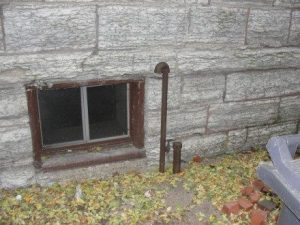
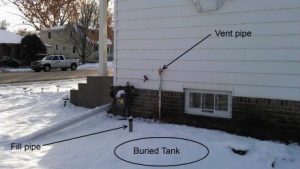
One of the easiest clues is the presence of two metal pipes located on the exterior of the home.
Sometimes the pipes pass directly through the foundation wall.
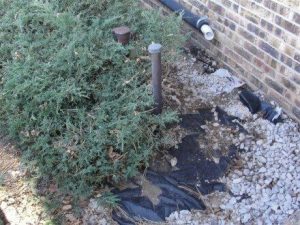
In other cases, they extend directly out of the ground near the home.
These are typically the fill pipe and vent pipe that allowed a fuel delivery truck to fill an underground heating oil tank. The U.S. EPA notes that a typical residential underground heating oil tank system includes a tank, a fill pipe, a vent pipe, and fuel lines connecting the tank to the heating system.
What If the Pipes Are Still There?
If you find abandoned fill and vent pipes, it doesn’t automatically mean an underground tank is still buried on the property—but it is a reason to investigate further.
In many professionally completed tank removals, the fill and vent pipes are removed entirely or properly cut below grade and permanently sealed.
If the pipes are still visible, it could indicate:
- The underground tank is still in place.
- The tank was removed, but the piping was not properly abandoned.
- Additional investigation is needed to determine what remains underground.
Leaving abandoned fill pipes exposed can also create confusion years later, particularly during property inspections or fuel deliveries.
Why Proper Tank Removal Matters
Historically, there were documented cases where fuel was accidentally delivered into abandoned piping because an old fill pipe remained visible after a tank had supposedly been removed.
Those mistaken deliveries sometimes resulted in hundreds of gallons of heating oil being discharged into basements or underground tanks that were no longer connected to active heating systems. In severe situations, extensive environmental cleanup was required.
Proper removal of the fill and vent piping helps eliminate that risk.
The Location of the Pipes Can Offer Clues
Although every property is different, the location of the fill and vent pipes often provides hints about where a tank may have been installed.
When the two pipes are positioned close together near the foundation, they often served an indoor basement tank or a tank located beneath or immediately adjacent to the home.
When the pipes are separated or located farther into the yard, there’s a greater possibility they connect to an underground storage tank buried outside the house.
Sometimes the only visible evidence is a pair of small pipes tucked into landscaping or hidden beside the home.
On one project completed by Brilliant Environmental Services, what appeared to be a pair of inconspicuous pipes led to the discovery of a large underground heating oil tank buried in the front yard.
Other Signs of a Buried Heating Oil Tank
In addition to fill and vent pipes, homeowners and buyers should pay attention to other clues, including:
- An older home that originally used oil heat.
- No visible indoor or above-ground oil tank despite records showing oil heat.
- Small capped pipes emerging from the ground.
- Old fuel delivery records.
- Unexplained depressions or settling in the yard.
- Strong petroleum odors near suspected tank locations.
- Previous real estate documents referencing an oil tank.
None of these signs confirm that a buried tank is present, but together they may warrant a professional evaluation.
Why Underground Heating Oil Tanks Matter
An abandoned underground tank isn’t always a problem—but if the tank has leaked, contaminated soil or groundwater may require investigation and remediation.
Environmental issues associated with heating oil tanks can affect:
- Residential real estate transactions
- Property values
- Mortgage approvals
- Insurance coverage
- Redevelopment projects
Identifying a buried tank before listing or purchasing a property can prevent costly surprises later.
How Brilliant Environmental Services Can Help
If you suspect an underground heating oil tank on your property, Brilliant Environmental Services can help determine if one is present and recommend the appropriate next steps.
Our experienced team provides:
- Underground storage tank locating
- Residential heating oil tank investigations
- Tank removal oversight
- Soil and groundwater sampling
- Licensed Site Remediation Professional (LSRP) services
- Environmental remediation
- Regulatory compliance and project closure
Brilliant Environmental Services helps homeowners throughout New Jersey address underground storage tank concerns with practical guidance and experienced environmental support.
Call 732-818-3380 or Contact Us to Schedule a Tank Investigation
If you’ve discovered suspicious pipes around your home or are purchasing an older property, don’t leave questions unanswered.
Our environmental professionals can evaluate your property, determine if a buried heating oil tank is present, and help you understand your options before it becomes a larger issue.